
The 3 AM Phone Call That Never Came: How Jerkin Services Stopped Losing Business to a Broken Booking Sheet

There’s a particular kind of dread that comes with running a cleaning and facilities business off a spreadsheet. It’s the moment two clients get booked for the same technician at the same hour. It’s the server going down on a Monday morning with forty jobs scheduled and no way to see them. It’s the phone […]
CBN’s Payment Data Localisation Directive: What It Means for Nigerian Fintechs and How AWS Can Help

The CBN has mandated that all payment transaction data generated in Nigeria must be stored locally by January 1, 2027. For fintechs running on the cloud, compliance involves more than just moving a database. Discover how AWS hybrid capabilities—including second-generation Outposts racks, the Lagos Local Zone, and Direct Connect—combined with Arthurite Integrated’s architecture expertise, can help your business achieve full regulatory compliance without sacrificing cloud agility.
When AI Meets the Electric Vehicle: How AWS Is Rewiring the Future of Smart Mobility
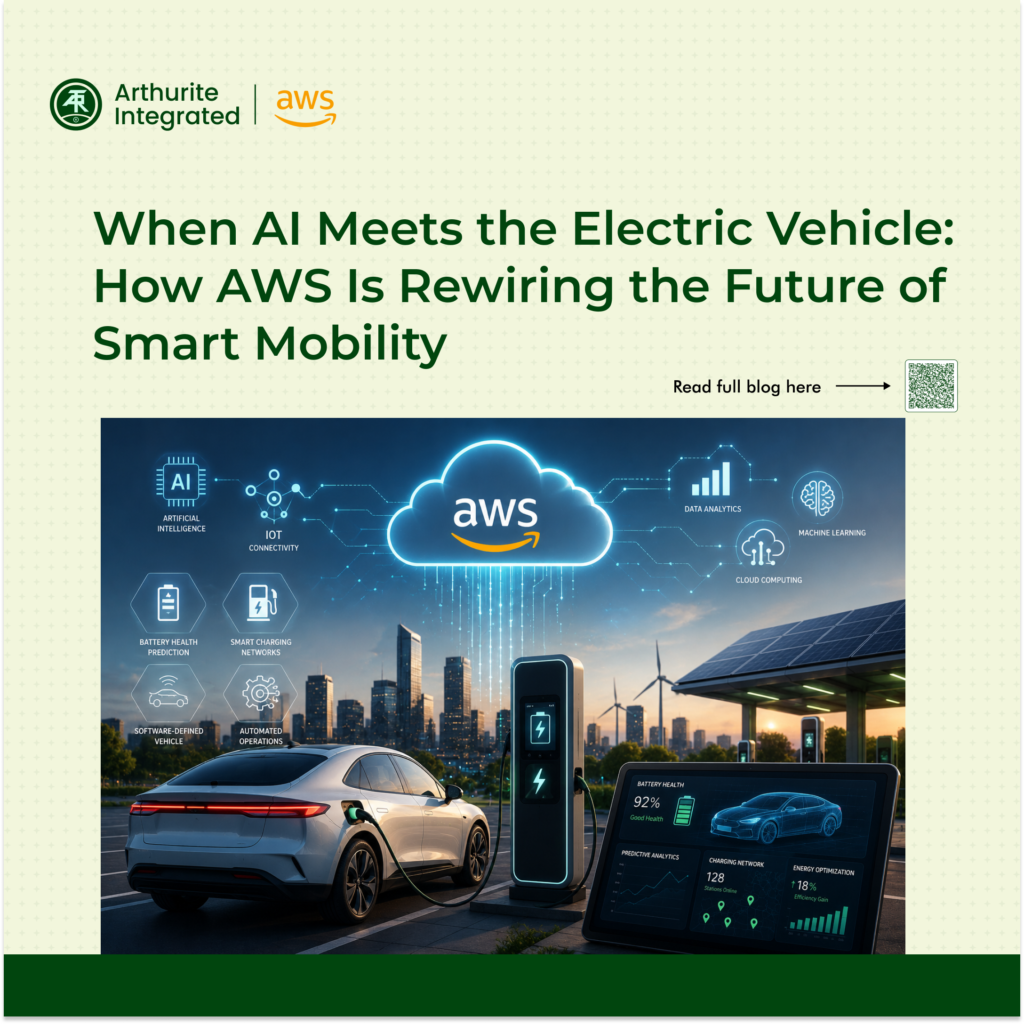
Discover how AWS combines AI, IoT, cloud computing, and generative AI to transform electric vehicles, battery health prediction, smart charging, connected mobility, and software-defined vehicles. Explore how AWS technologies used by automotive leaders can help accelerate intelligent e-mobility and create new opportunities for Nigeria and Africa.
The Cloud Centralization Trap: Stop Overpaying Your Bill

For the past several years, the tech playbook has been simple, almost dogmatic: move everything to the public cloud. Enterprises rushed to centralize their data, applications, and workloads into massive global data centers, assuming it was the ultimate shortcut to infinite scalability and modern efficiency. But as business leaders look at their monthly infrastructure invoices […]
Beyond Sending Emails: How Amazon Simple Email Service (Amazon SES) Is Transforming Business Communication

Email remains one of the most powerful communication channels in the digital world. Whether it’s confirming a customer purchase, resetting a password, launching a marketing campaign, or sending business notifications, organizations rely on email to maintain customer relationships and deliver critical information.
Can Your Website Survive Going Viral? Here’s What Happens When Traffic Explodes

A viral moment can be the best thing that ever happens to your business—or the moment your website crashes. Discover why websites fail during traffic spikes and how cloud technologies help businesses stay online when thousands of visitors arrive at once.
Cloud Monitoring Explained: Why You Can’t Fix What You Can’t See

Cloud monitoring is no longer optional, it’s essential. Without visibility into your cloud environment, even minor issues can escalate into costly outages and poor customer experiences.
By leveraging AWS monitoring and observability services such as Amazon CloudWatch, AWS CloudTrail, AWS X-Ray, and Amazon GuardDuty, businesses can detect problems early, respond faster, and continuously improve the reliability and security of their cloud infrastructure
Understanding the AWS Shared Responsibility Model: Who Is Responsible for Cloud Security?
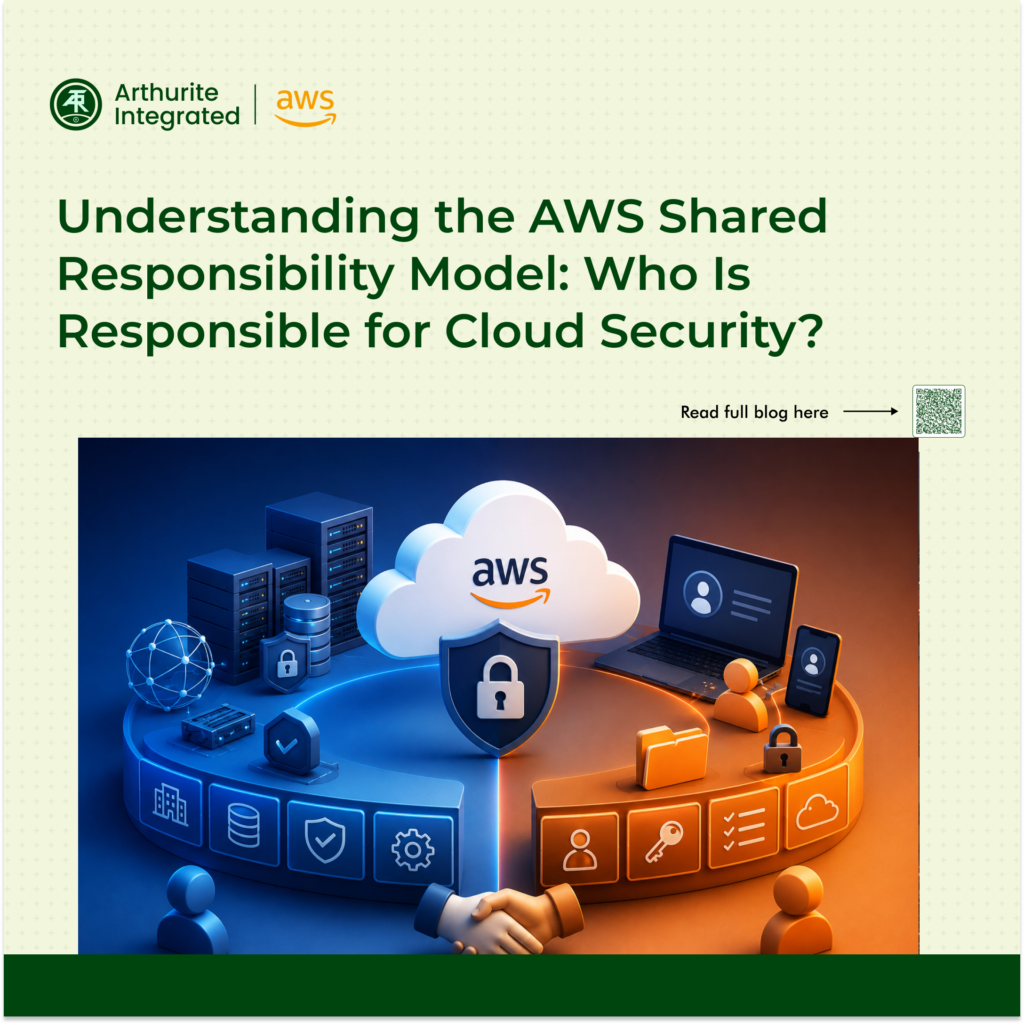
Moving to the cloud doesn’t mean handing over all your security responsibilities. Do you know where AWS’s role ends and yours begins? Learn how the AWS Shared Responsibility Model helps businesses protect their applications, data, and cloud environments from avoidable security risks while building with confidence.
Dragon-Powered Mobility: What Nigeria Can Learn from China’s Electric Vehicle Revolution – Arthurite Integrated

The global transportation industry is undergoing one of the most significant transformations in modern history. At the center of this revolution stands China, a nation that has strategically positioned itself as the world’s largest producer of electric vehicles (EVs).
The African Nation That Said Goodbye to Petrol: What Ethiopia’s EV Revolution Means for Nigeria’s Future

For decades, conversations about electric vehicles (EVs) have been dominated by countries in Europe, North America, and Asia. Many observers assumed that large-scale EV adoption would arrive in Africa much later due to infrastructure challenges, energy constraints, and economic considerations.